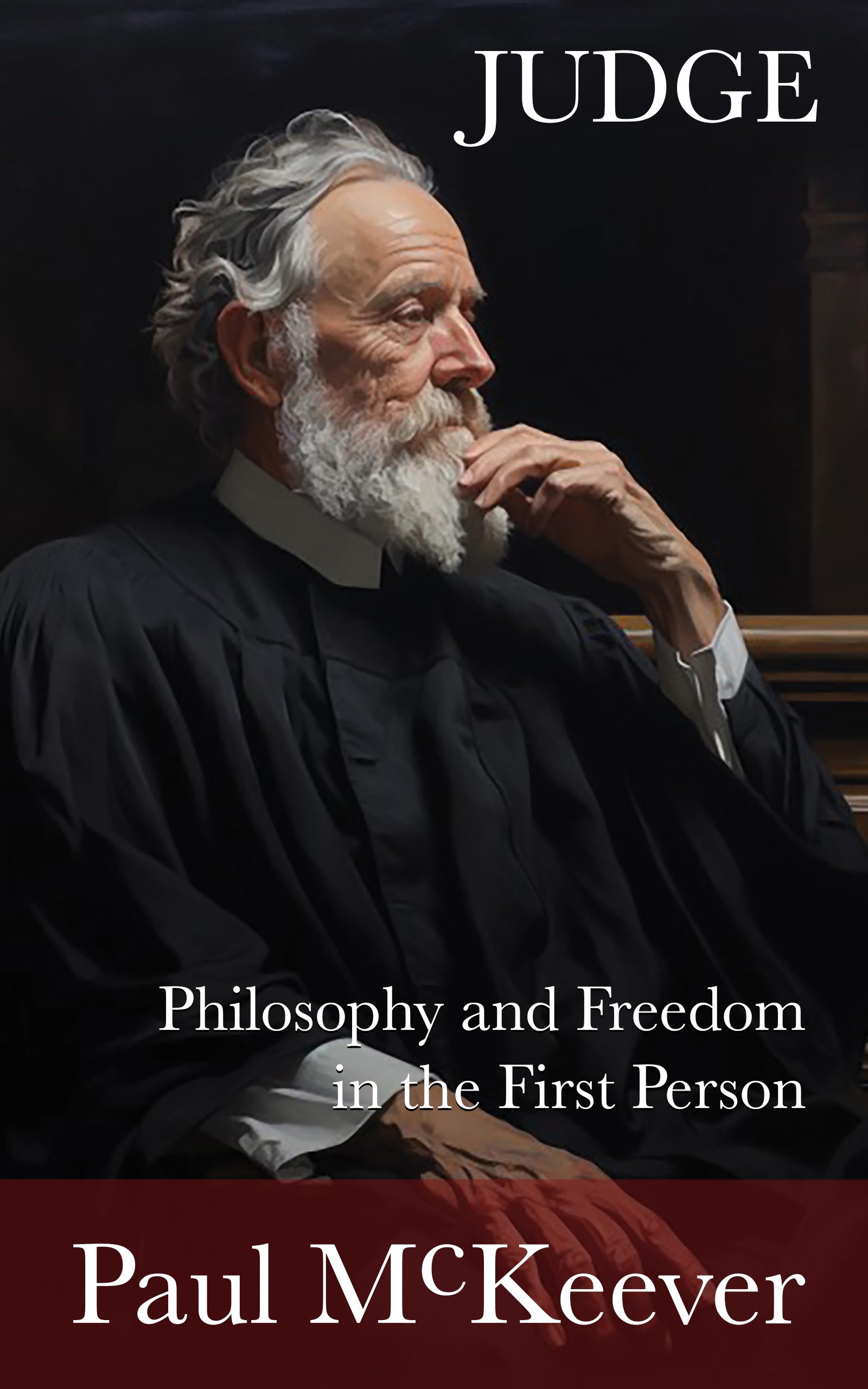
Your legal situation is serious. Your initial appointment with a lawyer is the most important one. It is not something to be rushed or squeezed into a "30 minutes or less" quicky-consultation. During your initial consultation, Paul McKeever will take the time needed to properly understand your situation, and to provide you with sound legal advice. You can expect your appointment to last anywhere from 45 minutes to 1.5 hours, on average. Paul
charges a flat fee for his first consultation with you so that you do not have to feel rushed or worried about time.
Usually,
the purpose of the first consultation will be to collect
information
about your case, and to provide you with an opinion based
upon the information you provide. Normally, the opinion
will include a discussion of the sorts of responses you
can make (e.g., negotiated settlement, litigation, contractual changes), the
likelihood of success and the challenges (if any) facing
your case, the range of compensation that you reasonably
can expect to receive
if successful, and an estimated range of legal costs
associated with each possible course of action.
Subsequent
Work - Hourly Rate or Contingency Fee
If,
at or after the initial consultation, Paul McKeever has
agreed to be retained by you, he will then discuss with you
his available options regarding fees. Paul
McKeever
usually
offers to be retained on an hourly rate basis for work done beyond the initial consultation.
However,
in some cases, Paul McKeever offers clients the option of
retaining
him on
the basis of a contingency fee.
In a contingency
fee arrangement, Paul McKeever's fee is based upon a percentage
of the amount payable to you by the opponent (general maximum contingency fee percentage is 33.33333% - i.e., 1/3rd - plus H.S.T.)
Most
lawyers will require a person to provide an "initial
retainer amount" before the lawyer will agree to be
retained by the person (i.e., before he/she will agree
to take on the duties
of being the person's lawyer). The initial retainer amount
is an amount which the lawyer puts into his trust account
and holds in trust for the client typically until the client
is
billed for fees or disbursements. "Fees" are
the amounts paid to a lawyer for his/her service. "Disbursements" are
out-of-pocket expenses typically incurred by the
lawyer for the client's benefit (e.g., fees imposed
by the government
for the filing of documents, the cost of photocopies,
the cost of process serving and couriers, et cetera). Paul
McKeever determines the required initial retainer amounts
on a case by case basis.
CALL NOW FOR TIMELY ADVICE:
Local: 905-721-9772
Toll free long-distance: 1-877-738-8531
Paul
McKeever, B.Sc.(Hons), M.A., LL.B.
Employment Lawyer
106 Stevenson Road South
Oshawa, Ontario
CANADA L1J 5M1
FAX: 905-571-7706
e-mail: pmckeever@mckeever.com
.
.
.
.
.
.
.
.
.
.
.
.
.
.
.
.
.
.
.
.
.
.
.
.
.
.
.
.
.
.
.
.
.
.
.
.
.
.
.
.
.
.
.
.
.
.
.
.
.
.
.
.
.
.
.
.
.
.
.
.
.
.
.
.
.
.
.
.
.
.
.
.
.
.
.
.
.
.
.
.
.
.
.
.
.
.
.
.
.
.
.
.
.
.
.
.
.
.
.
.
.
.
.
.
.
.
.
.
.
.
.
.
.
.
.
.
.
.
.
.
.
.
.
.
.
.
.
.
.
.
.
.
.
.
.
.
.
.
.
.
.
.
.
.
.
.
.
.
.
.
.
.
.
.
.
.
.
.
.
.
.
.
.
.
.
.
.
.
.
.
.
.
.
.
.
.
.
.
.
.
.
.
.
.
.
.
.
.
.
.
.
.
.
.
.
.
.
.
.
.
.
.
.
.
.
.
.
.
.
.
.
.
.
.
.
.
.
.
.
.
.
.
.
.
.
.
.
.
.
.
.
.
.
.
.
.
.
.
.
.
.
.
.
.
.
.
.
.
.
.
.
.
.
.
.
.
.
.
.
.
.
.
.
.
.
.
.
.
.
.
.
.
.
.
.
. |